
Introduction
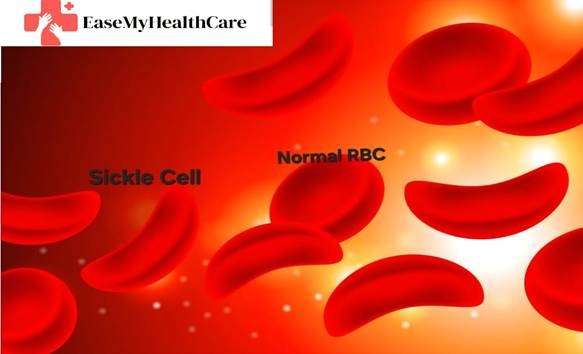
Sickle Cell Disease (SCD) is one of the most common inherited blood disorders worldwide. According to Data and Statistics on Sickle Cell Disease | Sickle Cell Disease (SCD) | CDC, to global health data, nearly 7.7 million people are currently living with SCD, and hundreds of thousands of babies are born with the condition each year. The disease affects the structure of red blood cells, causing them to become rigid, crescent-shaped, and prone to breaking down. These abnormal cells obstruct blood flow, reduce oxygen delivery, and can lead to severe pain, anemia, infections, and progressive organ damage.
Managing Sickle Cell Disease requires lifelong medical care. In severe cases, patients may need regular blood transfusions, iron chelation therapy, or even a bone marrow (stem cell) transplant, which is currently the only curative option. However, such treatments can be extremely expensive and inaccessible in many countries.
India has emerged as a leading global destination for Sickle Cell Disease treatment due to its advanced healthcare infrastructure, internationally trained specialists, and significantly lower treatment costs—without compromising quality. Indian hospitals follow international clinical guidelines and offer comprehensive support for international patients, making treatment both effective and accessible.
Quick Overview
Condition:
Sickle Cell Disease – a genetic blood disorder affecting hemoglobin and red blood cells.
Treatment Options:
Medical management, hydroxyurea therapy, blood transfusions, iron chelation therapy, and stem cell (bone marrow) transplant in selected cases.
Procedure Duration:
Medical management is ongoing; bone marrow transplant typically takes 4–6 weeks, including preparation.
Hospital Stay:
For transplant patients, around 4–8 weeks, depending on recovery.
Recovery Time:
Post-transplant recovery may take 6–12 months. Non-transplant patients require long-term monitoring.
Success Rate:
Bone marrow transplant success ranges between 80–90% in eligible patients.
Estimated Cost in India (USD):
Bone marrow transplant: $18,000–$42,000
Other treatments vary depending on care plan.
Top Cities for Treatment:
Delhi NCR, Mumbai, Chennai, Hyderabad, Bengaluru, Pune.
What Is Sickle Cell Disease?
Sickle Cell Disease is a genetic condition present from birth. It occurs when a person inherits defective hemoglobin genes from both parents. In SCD, red blood cells lose their normal round shape and become sickle-shaped, making them stiff and sticky.
These cells can block small blood vessels, leading to pain episodes (known as pain crises), reduced oxygen supply, infections, and damage to organs such as the brain, kidneys, lungs, and eyes.
Types of Sickle Cell Disease
- Sickle Cell Anemia (HbSS): Most severe form; caused by two sickle cell genes
- HbSC Disease: Milder symptoms; one sickle gene and one hemoglobin C gene
- HbS/β-Thalassemia: Severity varies depending on gene combination
- Sickle Cell Trait (HbAS): Usually asymptomatic; carrier state
- Rare Variants (HbSD, HbSE, HbSO): Very uncommon with variable symptoms
Symptoms You Should Not Ignore
- Chronic anemia
- Swelling of hands and feet
- Severe pain in chest, abdomen, arms, or legs
- Frequent infections
- Fatigue and weakness
- Shortness of breath
- Stroke or neurological symptoms
- Eye and vision problems
- Delayed growth or puberty in children
Causes and Risk Factors
Sickle Cell Disease is caused by inheriting abnormal Hemoglobin genes from both parents. If both parents carry the sickle cell trait, there is a 25% chance the child will develop the disease.
Diagnosis of Sickle Cell Disease in India
Indian hospitals use advanced diagnostic tools to ensure early and accurate detection:
- Complete Blood Count (CBC): Detects anemia and RBC abnormalities
- Peripheral Blood Smear: Visual identification of sickle-shaped cells
- Hemoglobin Electrophoresis: Confirms abnormal hemoglobin
- High-Performance Liquid Chromatography (HPLC): Highly accurate and widely used
- Newborn Screening: Enables early diagnosis and better outcomes
Best Treatment Options for Sickle Cell Disease in India
1. Supportive & Long-Term Medical Management
Includes pain control, folic acid supplementation, vaccinations, hydration, and infection prevention to improve quality of life.
2. Hydroxyurea Therapy
An oral medication that increases fetal hemoglobin, reduces pain crises, and lowers the need for transfusions.
3. Blood Transfusion Therapy
Used to treat severe anemia and prevent complications such as stroke. Includes simple and exchange transfusions.
4. Iron Chelation Therapy
Prevents iron overload caused by repeated transfusions and protects vital organs.
5. Stem Cell (Bone Marrow) Transplant
The only curative treatment for SCD in selected patients with a suitable donor. Indian hospitals maintain strict infection-control standards and advanced transplant units.
6. Advanced Therapies (Gene Therapy)
Gene therapy and CRISPR-based treatments are currently under clinical trials and may be accessible through select research programs.
Cost of Sickle Cell Disease Treatment in India
| Treatment Option | Approximate Cost (USD) |
|---|---|
| Supportive Medical Care (Annual) | $500 – $3,000 |
| Hydroxyurea Therapy (Annual) | $200 – $800 |
| Simple Blood Transfusion | $150 – $400 per session |
| Exchange Transfusion | $800 – $1,500 per session |
| Iron Chelation Therapy (Annual) | $500 – $3,000 |
| Bone Marrow Transplant | $18,000 – $42,000 |
| Gene Therapy | Cost varies |
Best Hospitals for Sickle Cell Disease Treatment in India
1. BLK Super Speciality Hospital, Delhi
A top multi-specialty hospital with advanced facilities, ICU and transplant units, and a team of experienced specialists. Known for high-quality patient care and national/international accreditations.
2. Gleneagles Global Hospital, Hyderabad
Top Multispeciality Hospital in Lakdikapul, Hyderabad | Gleneagles Hospital
Popular among both domestic and foreign patients, this modern hospital provides comprehensive multispecialty care with advanced tests and experienced doctors.
3. Fortis Hospital, Bangalore
Fortis Hospital BG Road, Bangalore | Best Multispeciality Hospital
Being a part of a well-known hospital network, it offers innovative treatments, specialized consultations, and critical care with experienced medical teams.
4. Sahyadri Hospital, Pune, Mumbai
Multispecialty Hospital Pune | Trusted Healthcare at Sahyadri Hospitals
Well-known for its hematology and transplant services, this large multispecialty hospital boasts a large intensive care unit (ICU), cutting-edge technology, and patient-focused care.
5. Indraprastha Apollo hospitals, Delhi
Best Hospital in Delhi | Top hospital in Delhi | Delhi hospital
JCI-accredited global tertiary care facility with more than 700 beds that provides robotic surgery, cutting-edge diagnostics, and robust global patient support.
Treatment Success Rates
- Bone Marrow Transplant: 80–90% success in eligible patients
- Hydroxyurea Therapy: 60–80% improvement in symptoms
- Blood Transfusion Therapy: 70–85% effectiveness in preventing complications
Recovery Timeline After Treatment
First 7 Days:
Close monitoring for infections and complications.
First 30 Days:
Regular blood tests and medication adjustments.
Long-Term Recovery:
6–12 months post-transplant for full recovery. Lifelong follow-up is recommended.
Why Choose India for Sickle Cell Disease Treatment?
- Affordable healthcare
- World-class hospital infrastructure
- Highly experienced specialists
- Minimal waiting time
- High success rates
- Dedicated international patient services
International Patient Care with EaseMyHealthcare
- Free medical case evaluation
- Doctor and hospital selection
- Transparent cost estimates
- Medical visa assistance
- Airport pickup & local support
- Treatment coordination
- Post-treatment follow-up
Medical Disclaimer
This content is for informational purposes only and does not replace professional medical advice. Always consult a qualified healthcare provider.
Contact EaseMyHealthcare for Sickle Cell Disease Treatment in India
📞 WhatsApp & Call: +91 97177 29022
📧 Email: info@easemyhealthcare.com
🌐 Website: www.easemyhealthcare.com
🔗 LinkedIn: https://www.linkedin.com/company/easemyhealthcare
📸 Instagram: https://www.instagram.com/easemyhealthcare
Our team will respond promptly with verified medical guidance and personalised assistance.