
Prominent Bronchovascular markings are often identified during chest X-rays or CT scans and can indicate underlying respiratory or cardiac issues. While these markings may sometimes be harmless, they can also signal conditions requiring medical attention, such as infections, inflammation, or chronic lung diseases. In this blog, we’ll discuss the causes, symptoms, and treatment options for Prominent Bronchovascular markings to help you better understand and manage this condition.
What Are Bronchovascular Markings?
Bronchovascular markings refer to the visible patterns of bronchi and blood vessels in the lungs, typically seen on imaging studies like X-rays. These markings are normal to a certain extent, but when they appear more pronounced, it can indicate an underlying health issue.
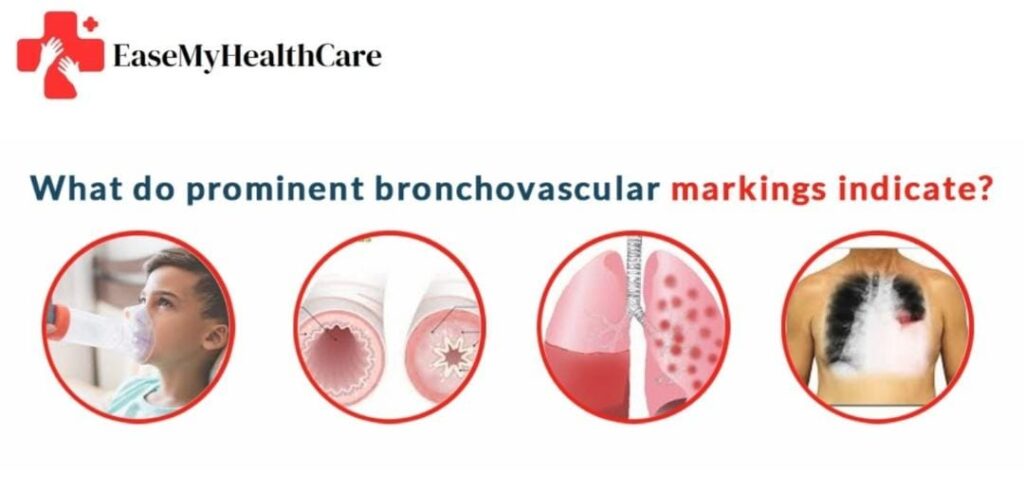
Causes of Prominent Bronchovascular Markings
- Respiratory Infections
- Conditions like bronchitis or pneumonia can cause inflammation, making the bronchovascular markings more noticeable.
- Chronic Obstructive Pulmonary Disease (COPD)
- COPD, including chronic bronchitis and emphysema, can lead to abnormal thickening of these markings due to prolonged inflammation and tissue damage.
- Pulmonary Edema
- Fluid accumulation in the lungs, often due to heart failure, can result in enhanced markings on imaging.
- Asthma
- Chronic airway inflammation in asthma may occasionally make bronchovascular markings more prominent.
- Smoking
- Smoking can irritate the airways and damage lung tissues, contributing to increased visibility of these markings.
- Cardiac Conditions
- Congestive heart failure or other cardiac issues can also result in pulmonary vascular changes reflected in imaging.
Symptoms Associated with Prominent Bronchovascular Markings
Prominent bronchovascular markings themselves are not a condition but a sign of an underlying issue. Symptoms depend on the cause and may include:
- Persistent cough
- Shortness of breath
- Wheezing
- Chest pain or tightness
- Fatigue or reduced exercise tolerance
- Frequent respiratory infections
How to Treat Prominent Bronchovascular Markings
Treatment focuses on addressing the underlying cause. A proper diagnosis is essential to develop an effective treatment plan. Here are some common approaches:
1. Medication Management
- Antibiotics: For bacterial infections like pneumonia or bronchitis.
- Bronchodilators and Steroids: To reduce inflammation and open airways in conditions like asthma or COPD.
- Diuretics: For managing pulmonary edema associated with heart failure.
2. Lifestyle Changes
- Quit Smoking: Smoking cessation is crucial for preventing further lung damage.
- Healthy Diet: A balanced diet supports overall health and aids in managing chronic conditions.
- Exercise: Moderate physical activity helps improve lung capacity and heart health.
3. Pulmonary Rehabilitation
- A structured program combining exercise, education, and support to improve respiratory function.
4. Medical Interventions
- Oxygen Therapy: For patients with severe respiratory distress.
- Surgery: In rare cases, surgical intervention may be needed for structural lung damage or complications.
5. Regular Monitoring
- Regular follow-ups with your healthcare provider ensure that the condition is under control and complications are prevented.
When to See a Doctor
If you experience any of the following symptoms, seek medical attention promptly:
- Severe shortness of breath
- Persistent or worsening cough
- Blood in sputum
- Chest pain unrelated to physical activity
- Rapid weight loss or fatigue
Preventing Prominent Bronchovascular Markings
Prevention involves maintaining overall lung health and addressing risk factors early. Here are some tips:
- Avoid smoking and exposure to secondhand smoke.
- Protect yourself from respiratory infections with vaccines and hygiene practices.
- Manage chronic conditions like asthma or heart disease effectively.
- Limit exposure to environmental pollutants.
Conclusion
Prominent bronchovascular markings are a sign, not a diagnosis, and addressing the underlying cause is essential for effective treatment. Whether it’s an infection, a chronic respiratory condition, or a cardiac issue, early diagnosis and appropriate management can lead to better outcomes.
At EaseMyHealthcare, we connect patients with expert pulmonologists and cardiologists for comprehensive evaluation and treatment plans. Visit our website or contact us 100% free consultation to learn more about managing respiratory and cardiac health effectively.
Explore our services here: EaseMyHealthcare Free Services
Let us guide you toward a healthier tomorrow


