
Numbers on a hospital website can only tell you so much. What you really want to know is simpler: what was it actually like for someone who walked this path before you? Did the hospital match what the brochure promised? Was the doctor genuinely attentive, or did the visit feel rushed? And did recovery go smoothly, or was there a moment of panic nobody warned them about?
In 2025 alone, over 507,000 foreign nationals traveled to India specifically for medical treatment. That makes India one of the world’s top 10 medical tourism destinations. This guide pulls together the honest, recurring themes from patient reviews and independent research on medical travel to India — the good, the genuinely difficult, and what separates a smooth experience from a stressful one.
On this page:
- Quick Answer: What Do Patient Reviews Actually Say?
- The Positives Patients Consistently Report
- The Real Concerns Patients Raise
- What Independent Research Says About Patient Experience
- Who’s Actually Traveling to India for Treatment
- How to Evaluate Reviews You Find Online
- What Makes the Difference Between a Good and Bad Experience
- Frequently Asked Questions
Quick Answer: What Do Patient Reviews Actually Say?
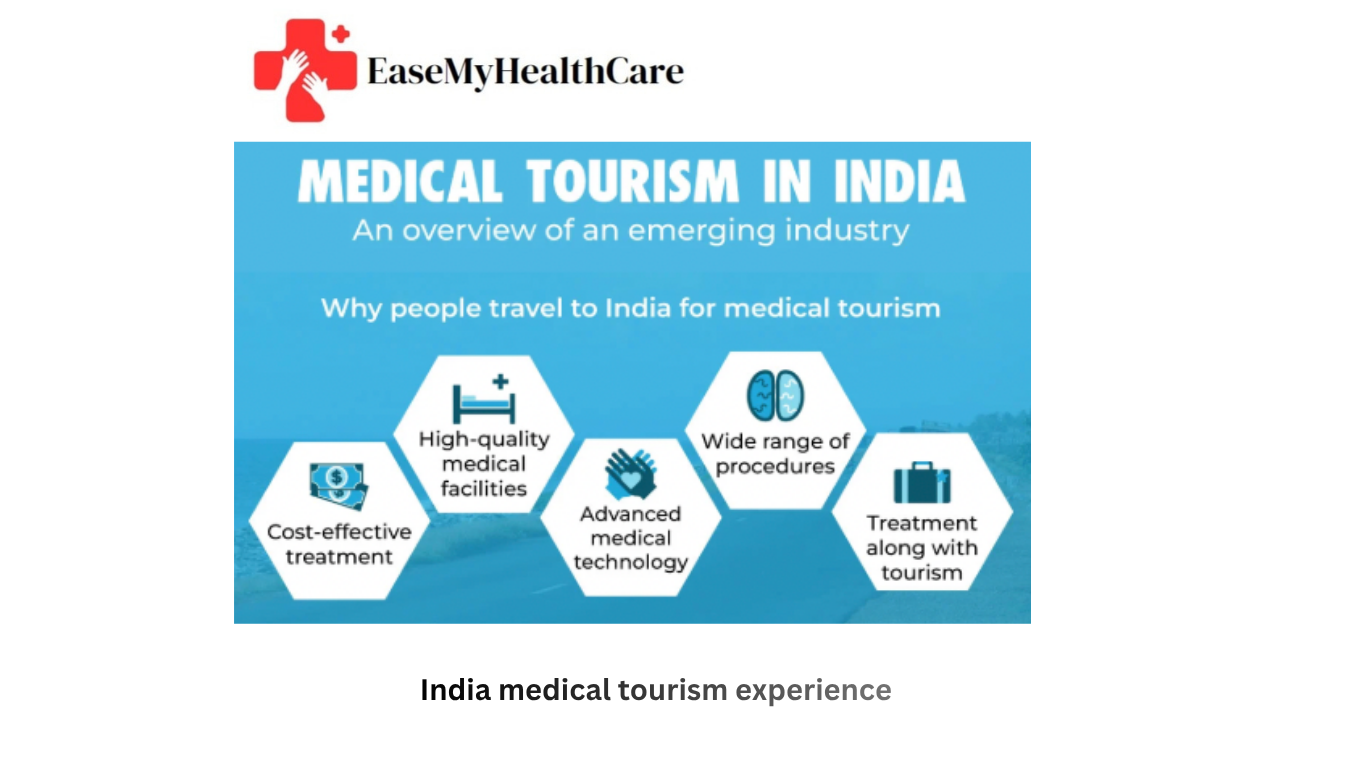
Across patient narratives and independent studies, the most consistent praise centers on three things. First, significant cost savings, often 60–80% less than treatment back home. Second, genuine relief at doctor availability and communication compared to long waits elsewhere. Third, appreciation for hospital comfort and coordinated support throughout the trip.
The most common frustrations, meanwhile, involve unregistered agents misrepresenting costs, inconsistent language support outside major hospitals, and gaps in continuity of care after returning home. In short, the hospital and facilitator you choose matters more than the country itself. That’s why EaseMyHealthcare only works with verified, accredited partners with a track record of transparent, coordinated care.
The Positives Patients Consistently Report
Research analyzing patient narratives about medical travel to India, including a peer-reviewed study published in the Journal of Medical Internet Research, identified recurring themes patients described positively:
- Meaningful cost savings, frequently cited as the primary reason for traveling, without patients feeling they compromised on care quality
- Faster access to specialists and surgery dates, compared to long waiting lists in patients’ home countries
- Doctor communication and bedside manner, with many patients specifically noting they felt genuinely listened to, not rushed
- Hospital comfort and modern facilities, often exceeding patients’ expectations going in
- Coordinated logistics, when working with a proper facilitator — airport pickup, hotel arrangements, and someone available to answer questions in their own language
The Real Concerns Patients Raise
To give you the full, honest picture, patient reviews and industry research also surface real friction points worth knowing about upfront:
- Unregistered or unreliable agents, who sometimes mislead patients about actual treatment costs or steer them toward smaller, unaccredited clinics for higher commissions
- Inconsistent language support, particularly for Arabic and French-speaking patients, since specialized language staff can be harder to find outside major international patient departments
- Regional concentration of top hospitals, with most JCI-accredited facilities clustered in Delhi, Mumbai, and Bangalore. Care quality can vary more in less-traveled regions as a result.
- Insurance portability gaps, since many international insurance providers don’t yet fully cover treatment performed in India, making upfront cost clarity especially important
- Continuity of care after returning home, where patients sometimes struggle to get consistent follow-up if their hospital doesn’t offer structured tele-consultation support
What Independent Research Says About Patient Experience
Beyond individual reviews, a qualitative study analyzing publicly available patient narratives found that overall satisfaction with treatment outcomes in India tends to be high. Mumbai, Chennai, and New Delhi stood out as the most frequently mentioned destination cities. Importantly, the research also emphasized something worth taking seriously: accreditation and hospital reputation alone don’t guarantee a good outcome. The overall experience depends heavily on the specific hospital, the transparency of the facilitator involved, and how well post-treatment continuity of care gets managed — not just where you choose to travel.
Who’s Actually Traveling to India for Treatment
Understanding who else is making this journey can be reassuring. Bangladesh sends the largest number of medical tourists to India, followed by Iraq, Uzbekistan, and Somalia. Growing numbers of patients from the Gulf, wider Middle East, and West Africa are also making the trip. Cardiac and orthopedic procedures remain among the most common reasons patients travel, largely because these procedures cost 60–80% less in India than in the US or UK, without a meaningful gap in surgical outcomes at accredited hospitals.
How to Evaluate Reviews You Find Online
Not all reviews are equally trustworthy, so it helps to know what to look for. Genuine reviews tend to include specific, verifiable details — the actual hospital name, the general timeline of treatment, and honest mentions of both what went well and what was difficult. Be cautious of reviews that appear only on a single facilitator’s own website with no way to verify the patient existed. Where possible, ask your facilitator directly whether you can speak with a past patient who had a similar procedure. A reputable provider will accommodate this without hesitation.
What Makes the Difference Between a Good and Bad Experience
Based on the patterns above, a few factors consistently separate a smooth medical journey from a stressful one. Start with a facilitator who’s transparent about costs from the very first quote, with no surprises after arrival. Next, choose a hospital with a dedicated international patient department, verified through official sources like NABH or JCI, not just an ad-hoc translator. Confirm language support specifically for your native language before booking, rather than assuming it will be available. Finally, ask upfront exactly what follow-up care looks like after you return home, since this is where many otherwise-positive experiences quietly fall short.
Frequently Asked Questions
Are patient reviews of medical tourism in India generally positive?
Yes, particularly around cost savings, doctor communication, and hospital comfort. Research also highlights real concerns around agent transparency and post-treatment continuity of care that are worth planning for in advance.
What’s the biggest complaint patients have about medical tourism in India?
Unregistered or unreliable agents misrepresenting costs and steering patients toward smaller, unaccredited clinics is one of the most consistently raised concerns, alongside inconsistent language support outside major hospitals.
Which cities have the best patient experience track record?
Mumbai, Chennai, and New Delhi are the most frequently mentioned destination cities in patient narratives and research, largely because they concentrate the highest number of internationally accredited hospitals.
How can I verify a patient review is genuine before trusting it?
Look for specific, verifiable details like the hospital name and treatment timeline. Ask your facilitator directly if you can speak with a past patient who had a similar procedure.
Does a good hospital reputation guarantee a good experience?
Not entirely. Independent research shows accreditation and reputation don’t guarantee outcomes on their own. The specific hospital, facilitator transparency, and post-treatment follow-up structure matter just as much.
Where do most international patients traveling to India come from?
Bangladesh sends the largest number, followed by Iraq, Uzbekistan, and Somalia, with a growing number of patients from the Gulf, wider Middle East, and West Africa.
Read Real Case Reviews, Talk to Real Patients
The right facilitator will never hesitate to connect you with a past patient. Share your case with our team, and we’ll walk you through exactly what to expect, backed by transparent pricing and verified hospital partners from day one.